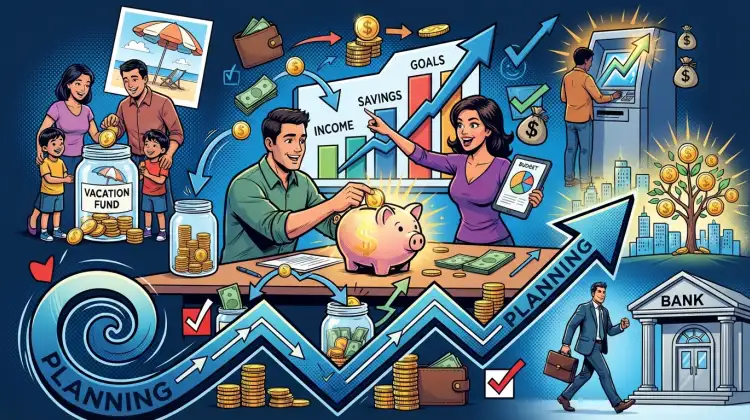
A budget is not a restriction — it is a plan for where your money goes before it disappears. Most budgets fail not because people lack discipline, but because the system is too complicated, too rigid, or built on spending numbers that were never realistic in the first place. This guide walks through a practical method you can set up in an afternoon and maintain in about 30 minutes a month.
Start With Your Actual Numbers, Not Your Ideal Ones
The most common budgeting mistake is building a plan around what you wish you spent. Before you assign a single dollar, pull the last two to three months of bank and credit card statements and categorize every transaction. Most banks let you export transactions as a CSV file, and many budgeting apps will categorize them automatically.
Look at three numbers specifically:
- Net income: your take-home pay after taxes and payroll deductions, not your gross salary.
- Fixed obligations: rent or mortgage, utilities, insurance premiums, loan payments, and minimum debt payments.
- Variable spending: groceries, dining, transportation, subscriptions, and discretionary purchases.
If your variable spending is consistently higher than you assumed, that is your baseline — not a moral failing. A budget built on real numbers gets followed; one built on aspirational numbers gets abandoned by week three.
Choose a Budgeting Method That Fits Your Personality
There is no single correct framework. The best method is the one you will actually maintain. Three approaches work well for most people:
The 50/30/20 rule
Allocate 50% of take-home pay to needs, 30% to wants, and 20% to savings and debt repayment beyond minimums. This is a useful starting point, though it is harder to apply in high-cost housing markets where rent alone can exceed 50% of income.
Zero-based budgeting
Every dollar is assigned a job, so income minus planned spending equals zero. This method gives you maximum control and works well for people with irregular expenses or a strong desire to optimize. It requires more hands-on management each month.
Pay-yourself-first
Automate savings and investing transfers the day you get paid, then spend what remains without detailed tracking. It is the lowest-effort option and pairs well with a simple spending cap rather than granular categories.
Whichever you pick, keep the number of categories small. Ten to fifteen categories is manageable; forty is a spreadsheet hobby, not a budget.
Build the Budget in the Right Order
Sequence matters. Follow this order each month:
- Cover fixed obligations first. These are non-negotiable and largely the same every month.
- Fund essential variable spending. Groceries, gas, and prescriptions come before restaurants and entertainment.
- Automate savings and debt payments. Set up recurring transfers to a high-yield savings account and schedule extra payments on high-interest debt.
- Assign what is left to discretionary spending. This is where flexibility lives, and where you should absorb surprises.
Include a sinking fund line for irregular costs — car repairs, holidays, annual insurance premiums, and medical deductibles. A $1,200 car repair is not an emergency if you saved $100 a month for it. The Consumer Financial Protection Bureau recommends aiming for an emergency fund that covers several months of expenses, and sinking funds make that goal easier to reach without derailing your monthly plan.
Use Accounts and Automation to Reduce Willpower
Budgets succeed when they require fewer decisions. Separate your checking account for bills from a spending account for everyday purchases, and keep savings at a different institution so transfers take a day or two. That small friction discourages impulse withdrawals.
Automate as much as possible: bill pay for fixed costs, automatic transfers to savings on payday, and automatic contributions to a workplace retirement plan such as a 401(k), especially if your employer offers a match. According to the Federal Reserve's Survey of Household Economics and Decisionmaking, a meaningful share of U.S. adults report they could not cover a $400 emergency expense with cash or its equivalent — an automated emergency fund is the most direct fix.
Review Monthly and Adjust Without Guilt
Schedule a 30-minute review on the same day each month. Compare planned versus actual spending, note which categories were off and why, and adjust next month's numbers. Overspending in one category is information, not failure — it tells you the plan was wrong, not that you are.
Expect the first two or three months to be calibration. Once your categories reflect reality, the review becomes quick. Revisit the whole budget when your income changes, you move, you add a dependent, or your fixed costs shift materially.
What to Remember
A budget that works is built on real spending data, uses a method you will maintain, funds essentials and savings before discretionary spending, and gets reviewed monthly. Start with your last three months of statements, pick one framework, automate what you can, and treat every adjustment as useful feedback. The goal is not a perfect spreadsheet — it is knowing where your money goes and directing it deliberately.